Howdy, Y’all!
Welcome back! We’re continuing our deep dive into Georgia’s new Standards of Excellence. If you followed Part One, you know we took a broad look at the standards’ overall alignment. Now, it’s time to move to the next phase of understanding these important updates!
My suggestion is to head over to the next crucial document on the GaDOE Inspire website: the “ELA standards: Learning Progressions.” You can find it right here: https://lor2.gadoe.org/gadoe/file/0a19b32b-bcfb-4690-95db-a67746166066/1/GaDOE-ELA-K-12-Standards-Learning-Progressions.pdf
So, What Does This Document Tell Us?
This document provides a visual overview of how the new standards and their domains will influence each grade level’s instructional design and their ultimate goal for mastery. When we consider the “old standards of excellence” and their domains of Reading, Writing, Language, and Speaking/Listening, they do fit into the new domains. However, the modes of analysis and comprehension for these areas are now blended together to create new domains that are more akin to a diverse range of cuisines rather than categories based on a single main ingredient—you know, like just “meat dishes,” “vegetarian,” or “gluten-free.”
So, let’s consider it this way (I know this analogy might be a bit unconventional, but I hope it makes some sense!). When we were preparing lesson plans before, under the old standards, the focus was on a “center ingredient” as the primary component of a dish, with other “supporting ingredients” enhancing the mastery of that main standard. For instance, if I wanted to “prepare” a beef dish, “beef” would be central. I would then consider what other ingredients, not the “star,” I could include. If my “beef” was Reading Literary Texts, and I was specifically focused on the “cut of beef” that is the “determine theme or central idea” standard, I might choose “chuck roast.” I might then consider adding carrots and potatoes (a writing standard like an informational paragraph where students draft an objective summary of the text, followed by a second paragraph arguing their interpretation of the theme). Thus, I’ve now prepared a complete pot roast, with, of course, other flavoring ingredients to enhance the dish and create “gravy,” developing what we know as pot roast. My lesson design would then be complete, and I would determine if students mastered the pot roast recipe by their performance on an assessment related to those “center standards” of the lesson/recipe.
These new standards are still in the “cooking” phase, but the domains of Reading Literary (Beef), Reading Informational (Chicken), Writing (like bowls, plates, or additional ingredients), and Language (the spices) have transformed into a focus on broader cuisines, less categorized by their main ingredient type.
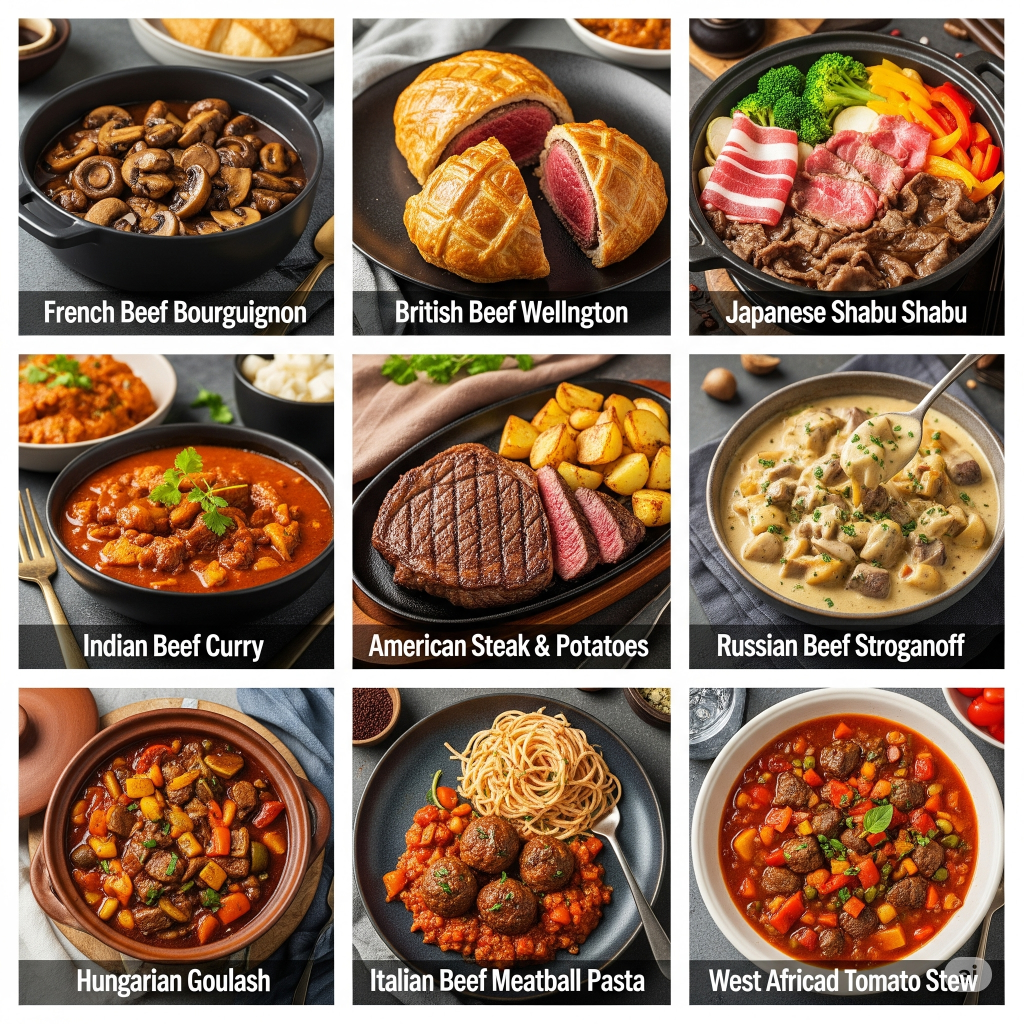
So, let’s continue our cooking analogy and discuss the “Practice Domain” of the new standards. We’ll call this our “French Cuisine.”
This domain contains the Big Ideas of:
- Engagement & Intention for Comprehension & Composition (Think: Haute Cuisine – elaborate techniques, high-end, Michelin-star restaurants!)
- Situating Texts (Consider: Northern French Cuisine – lots of seafood, dairy, and apples!)
- Author’s Craft (Picture: Bistronomie – cafe and bistro-like food with a modern twist!)
- Collaboration/Presentation (Imagine: Rustic/Traditional Cuisine – classic home-style cooking!)
Now, each of these categories is still “French,” but the preparation methods, the flavors experienced, and the quality of the plating, execution, and ingredients all differ based on the specific category. Yet, they all share a central theme.
So, returning to the idea of Reading as “beef,” if you’re focusing your lesson on reading a literary text, you would design an opportunity within your lesson’s progression of gradual release to allow students to engage with a text. Then, to quote the GaDOE document, “When instruction is designed with these practices in mind, teachers will often engage in these practices with their students as active consumers and producers of texts themselves. Sometimes, students will cultivate these practices one at a time; often, they will incorporate more than one practice as they interpret and construct a range of texts for a variety of purposes” (GaDOE Learning Progressions, page 20).
What this implies is that you might have a French Dish that’s Haute Cuisine, specifically a “Boeuf Bourguignons” made with high-end Wagyu beef. For example, you would select Aesop’s Fable, “The Tortoise and the Hare,” as your premium cut of Wagyu for the lesson. Your students’ “ENGAGEMENT & INTENTION FOR COMPREHENSION & COMPOSITION (EICC)” (the Big Idea) would then be the culinary goal—developing their refined “palate” and “technique” as readers and writers.
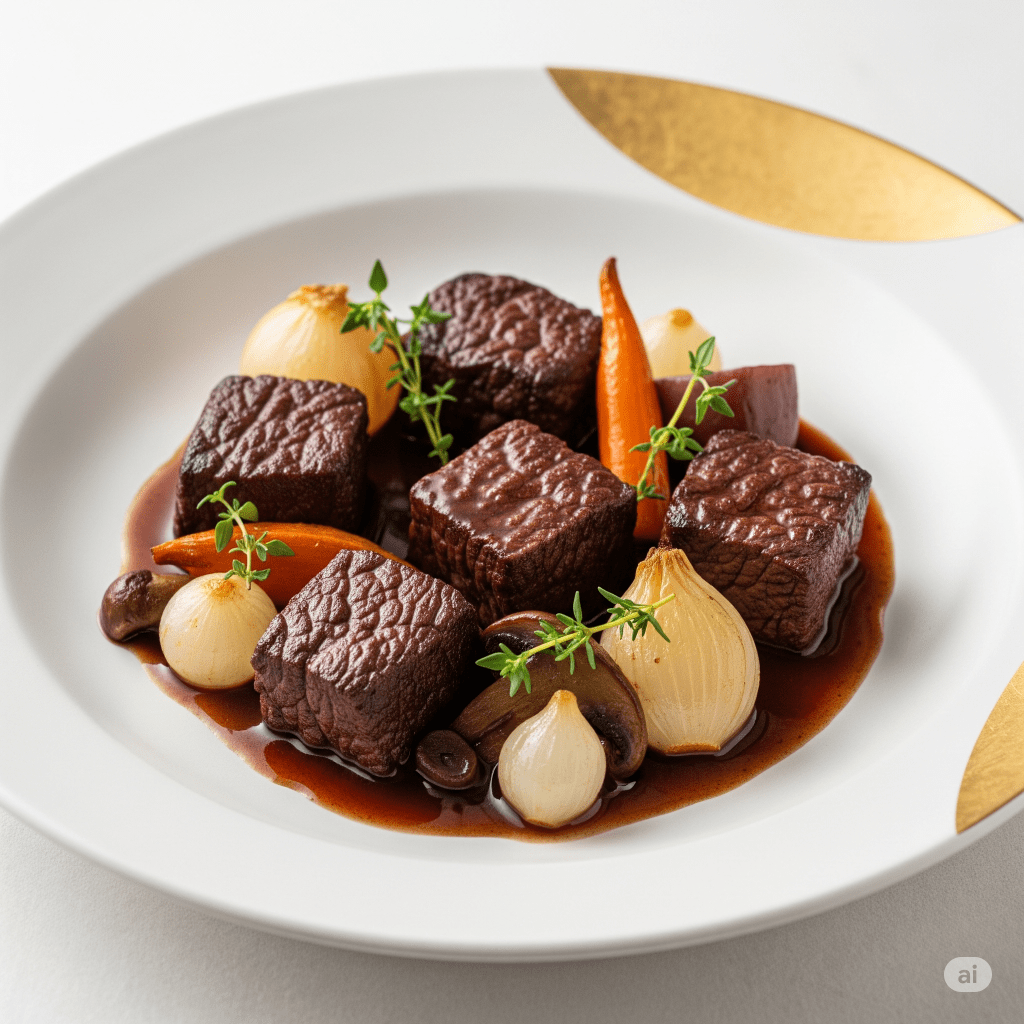
As the teacher, you’d then “drill down into the standard,” which is like selecting the specific preparation method for your Wagyu. You’d focus on the “Reader & Writer Identity” standard (9.P.EICC.1 Reader & Writer Identity Build an identity as a reader and writer, developing a repertoire of resources and tools to continuously expand participation as an active consumer and producer of texts), ensuring you’re treating this premium ingredient with the respect it deserves to achieve that rich, complex “Reader & Writer Identity” flavor profile. This is about mastering the core “technique” for the dish.
Afterward, you would select a specific expectation for the reading of the text. This is akin to choosing the precise cooking steps or sauce reductions to bring out the very best in that Wagyu and meet your “Haute Cuisine” domain. For instance, you might want students to read the passage and draw on what they know to analyze how the text is composed and how that influences their interpretation and construction of the fable. So, you would then build activities around the practiced expectation of “9.P.EICC.1.d Build a repertoire of comprehension and composition skills, strategies, and techniques, drawing from them as needed to aid the interpretation and construction of texts. (I/C)”
Let’s consider how these new standards cascade, much like the steps in preparing a truly exquisite French meal. At the broadest level, we have the Practice Domain, which you can envision as the expansive realm of French Cuisine itself. This domain isn’t just about one kind of dish; it encompasses all the fundamental culinary approaches and philosophies that underpin the entire culinary tradition.
Within that grand domain, we zoom in on the Engagement & Intention for Comprehension & Composition (EICC) Big Idea. This is where our analogy finds its Haute Cuisine – the pinnacle of French culinary artistry, demanding intricate techniques and a profound understanding of flavors to create a truly refined dining experience. Just as Haute Cuisine emphasizes meticulousness and sophisticated results, EICC focuses on students developing a deep, intentional approach to understanding and creating texts, moving beyond surface-level engagement.
Delving deeper, we arrive at the Reader & Writer Identity Standard, which serves as our specific Boeuf Bourguignon within that Haute Cuisine framework. This isn’t just any beef stew; it’s a classic, well-defined dish that, when executed correctly, embodies the essence of its culinary tradition. Similarly, this standard is about students cultivating their unique and evolving identity as active participants in the world of reading and writing—understanding their own processes and preferences.
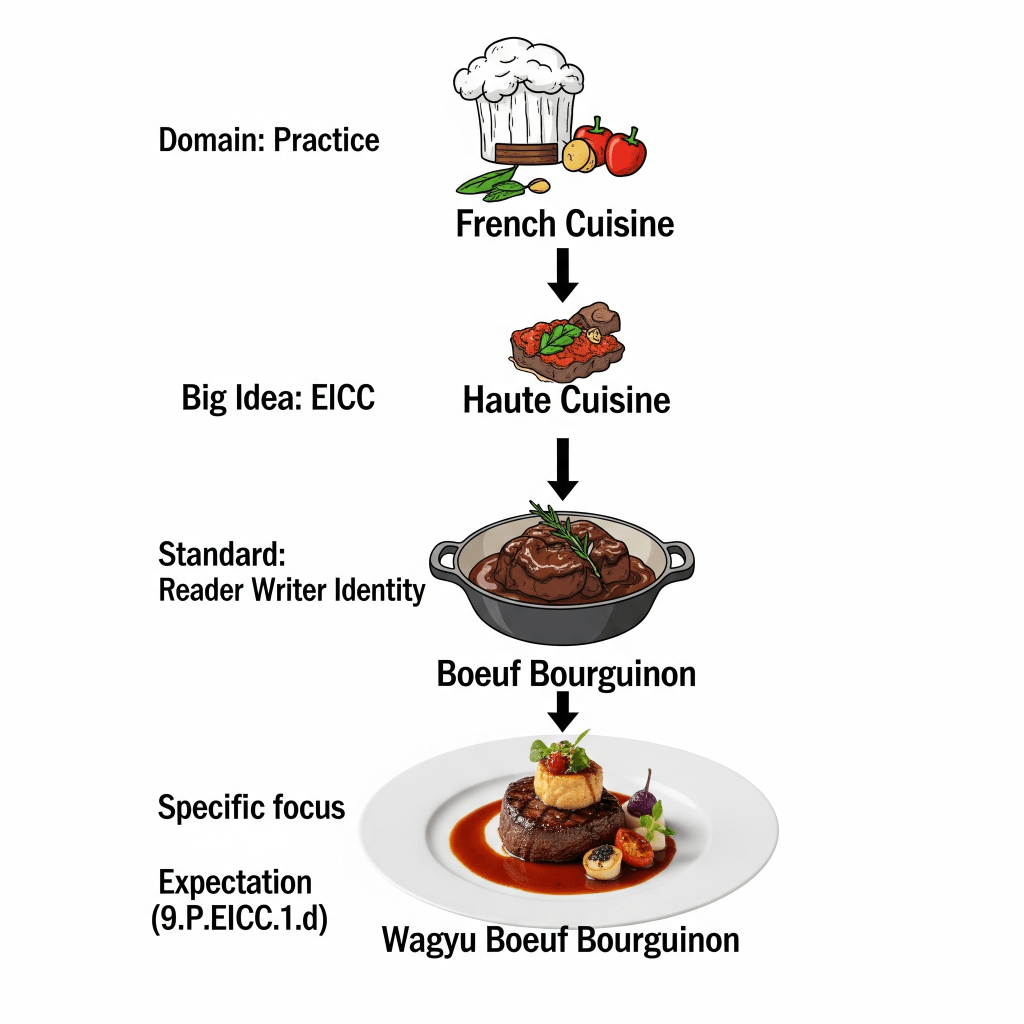
Finally, when we look at a particular Expectation like 9.P.EICC.1.d, this is where our Boeuf Bourguignon is prepared with high-end Wagyu beef. This level of detail signifies the precise cooking steps and meticulous attention to ingredients needed to elevate the dish to an unparalleled level of excellence. For students, this expectation means applying very specific, refined comprehension and composition strategies, drawing from a rich repertoire of skills to interpret and construct texts with exceptional precision and insight. It’s about achieving a truly masterful outcome in their literacy journey.

Finally, the assessment—be it a quiz, a constructed response, or a discussion about their interpretation of the text—is your tasting session or plate presentation. Here, you’d observe how well the students have “prepared” and “interpreted” their “dish.” Did they achieve the desired flavor (comprehension) and texture (composition) of the “Boeuf Bourguignons,” demonstrating their mastery of those high-end culinary skills?
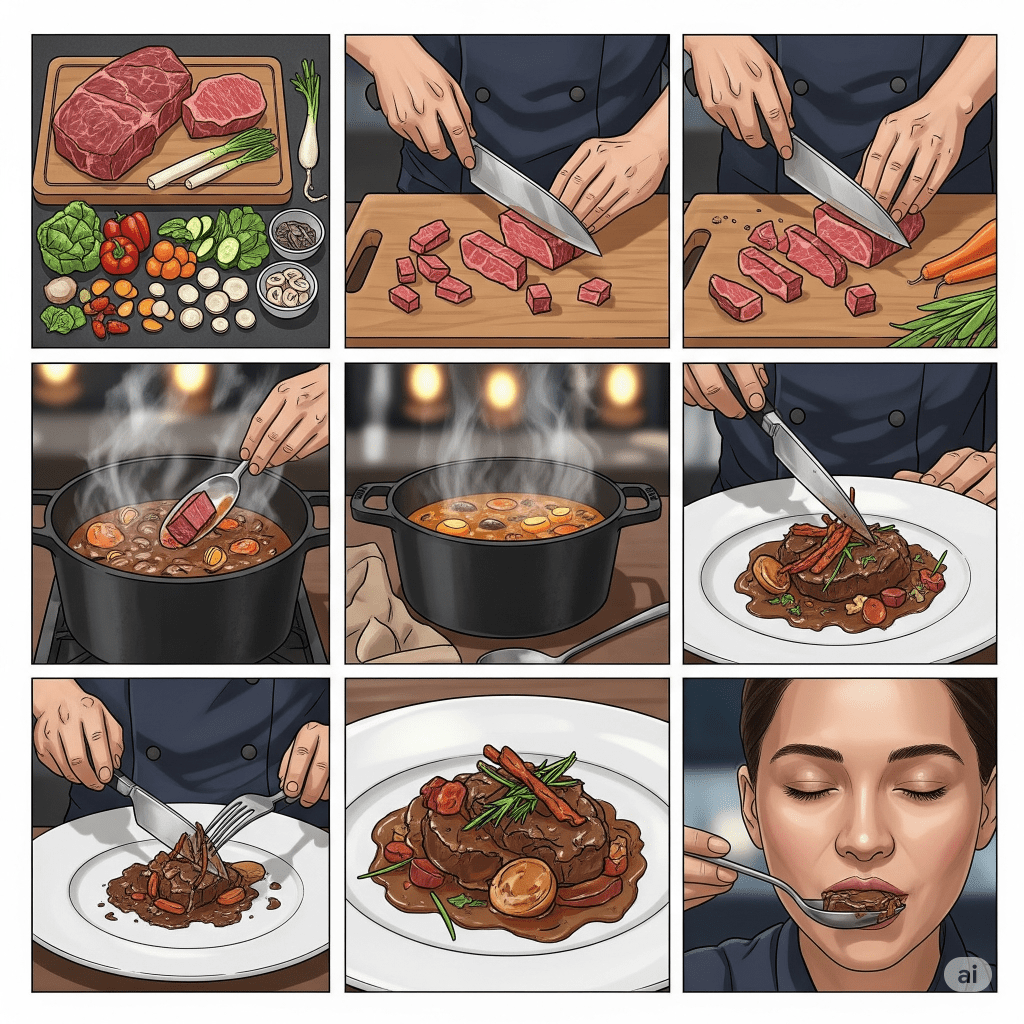
Well, folks, whether these new standards are a gourmet feast or a pot roast, one thing’s for sure: they’re on the menu, and they’re here to stay.
So, keep that GaDOE Inspire website bookmarked; it’s still your best sous chef in getting comfortable with these new recipes.
As I continue to peel back the layers of this culinary curriculum, I’ll be sharing more insights, hoping to whisk away some of the confusion. So, keep an eye out for more breakdowns and, of course, those delightfully peculiar AI-generated images that help me visualize this veritable buffet of information.
Until our next serving, be well!

 TeachPeachy.com