The first day of school is always a mix of excitement and nervous energy, for both teachers and students. You’ve got new faces, new schedules, and a whole new rhythm to establish. While it’s tempting to jump straight into the syllabus, taking a little time to help everyone connect can make a world of difference for the entire year. Nobody wants those awkward silences or forced introductions that make everyone cringe, right? That’s why I’m here to share five icebreakers that are genuinely peachy and perfect for getting your middle and high school students talking, laughing, and building a foundation for a great classroom community.
Here are five activities that actually work:
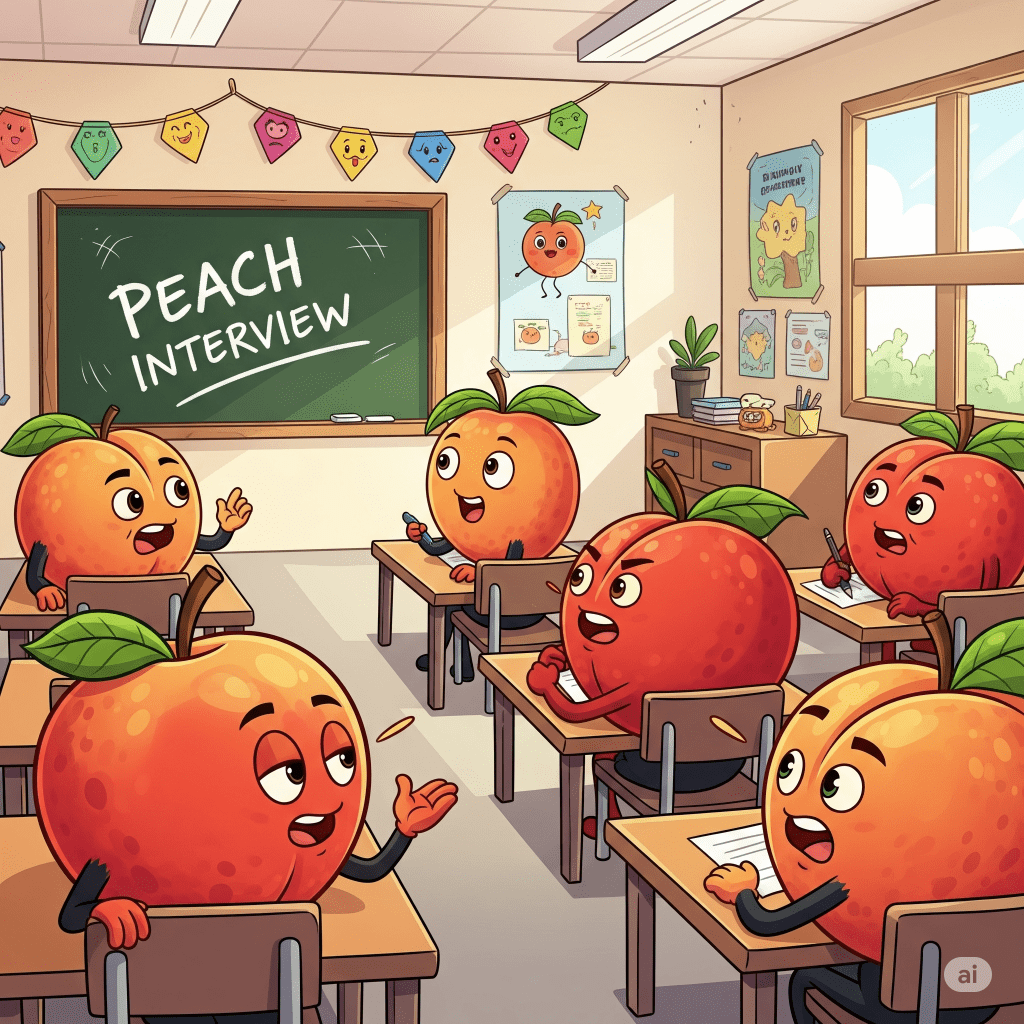
- Interview a Peer and Tell Us About Them: This one’s fantastic for getting students to actively listen and practice speaking in front of a group. Give each student a small notecard with five open-ended questions covering topics like: a secret skill they possess, an important fact about themselves, what they’re most excited about for the school year, a bit about where they grew up, and their favorite hobbies or interests. Challenge them to find someone they don’t already know to interview. After the interview, each student presents the information they learned about their partner to the class. For larger classes, you can stretch this out over the first few days, starting with three to four pairs at the beginning of each class period.

2. Line Order: This activity is simple but incredibly effective at getting students to communicate without direct teacher intervention. Project a statement on the screen and instruct students to silently arrange themselves in a line according to that statement. The key is that you, the teacher, offer no help – they have to talk to each other to figure it out! Statements can vary to keep it interesting: “alphabetical by first name,” “alphabetical by middle name,” “alphabetical by last name,” “birth month (January to December),” “birth date (1st to 31st),” or “number of siblings (fewest to most).” It’s amazing to watch them problem-solve and connect.
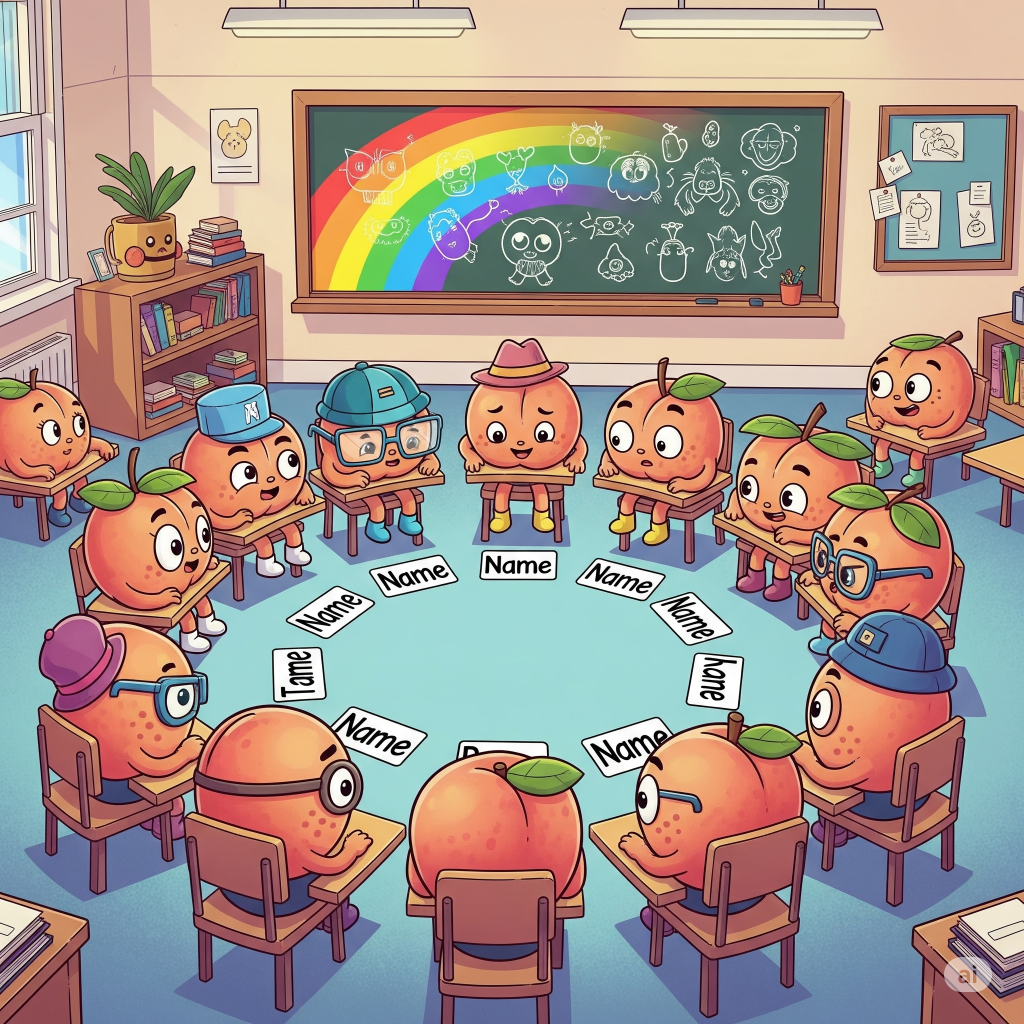
3. Name Game in a Circle: A classic with a twist! Have your students sit in a large circle. The goal is to go around the circle, with each person saying everyone’s name and one fact about them in order to successfully complete the game. You, the teacher, can kick it off with something like, “I am Ms. McCully and I dislike cilantro. This is [insert student’s first name] and they ______________.” Students will naturally start chatting with those near them, trying to remember names and discover facts. It’s surprisingly fun, and you can “pop quiz” them as they enter class on subsequent days or try to complete the game multiple times during the first week to reinforce names and facts.

4. “My Drip”: This activity taps into personal expression in a non-threatening way. Students “show and tell” three items they have on them (and that’s important: not their cell phone, for those who know what I mean!) that they feel represent their personality. They then partner up with someone new, interview their peer about these chosen items, and each pair presents their partner, discussing one of the items and why it’s significant. It’s a great way to uncover unique traits and shared interests.

5. “Two Truths and a Lie” (with a twist): This familiar game gets a fresh spin. Prepare a set of cards beforehand, with each card containing two lies about hypothetical scenarios. Then, tell students they need to come up with one truth about themselves. They’ll then circulate the room, playing “two truths and a lie” with different peers. Each student introduces themselves by name, shares their one truth and the two lies from their card, and others guess the truth. At the end, you can see who can recall the most truths and names from their interactions.
A quick note for success: Incentives, beyond just the joy of getting to know new people, can really boost engagement. Keep in mind that many of your students will already know each other, having shared classroom experiences for years. This might be a new group or a new school, but there’s existing history. Creating opportunities for them to connect on a deeper level, to learn about the people they haven’t spent years with, is crucial not just for you, but for the overall function and dynamic of your classroom. I personally use my own “ticket system” as an incentive; students earn tickets throughout the week and can “spend” them in a “treasure chest” every Friday. It’s a real-world application that, while a little bit of work, has truly made a difference in my classroom over the last 17 years. More on that coming in my next blog post, I promise!
Until next time, be well.

 TeachPeachy.com